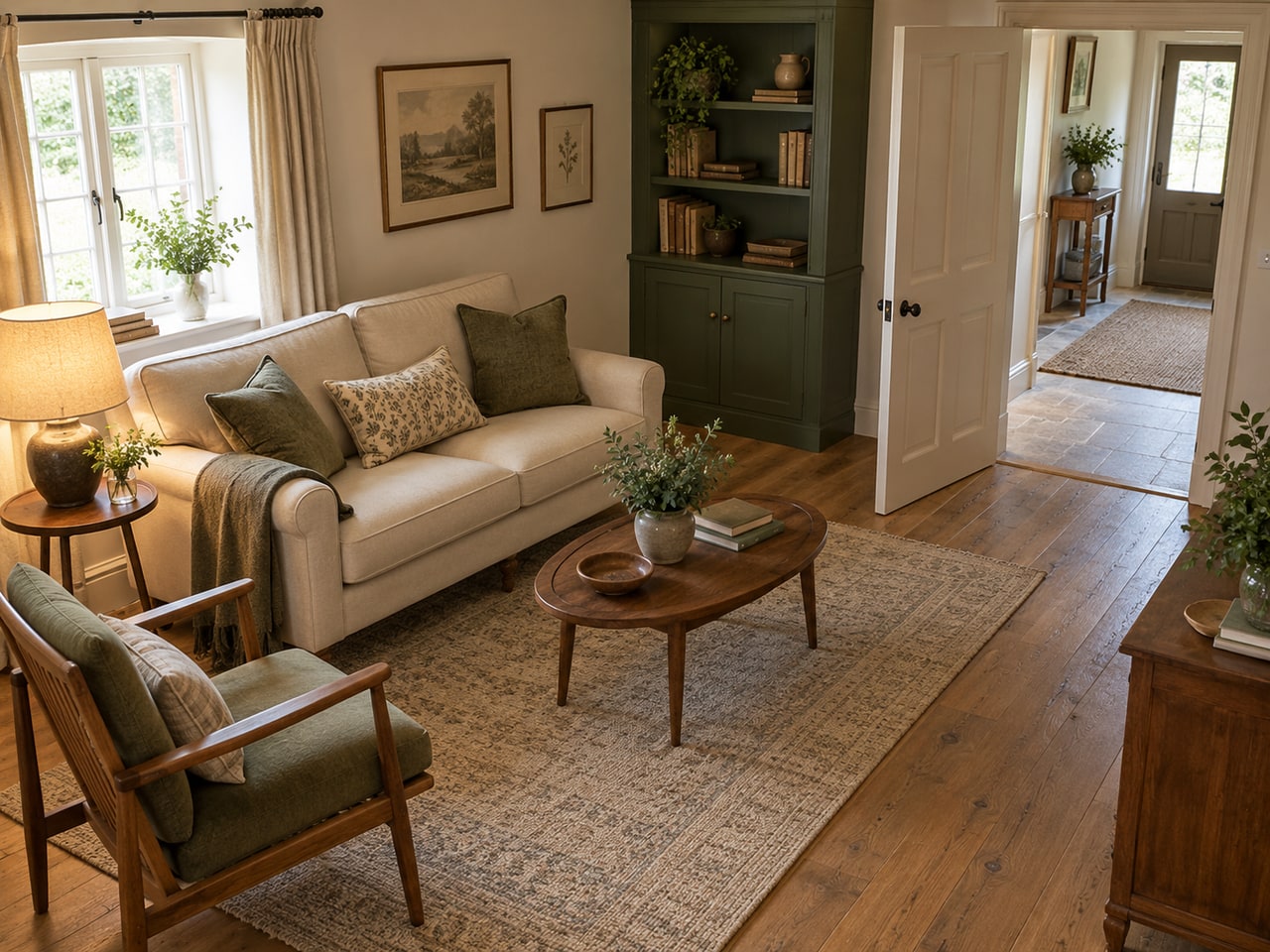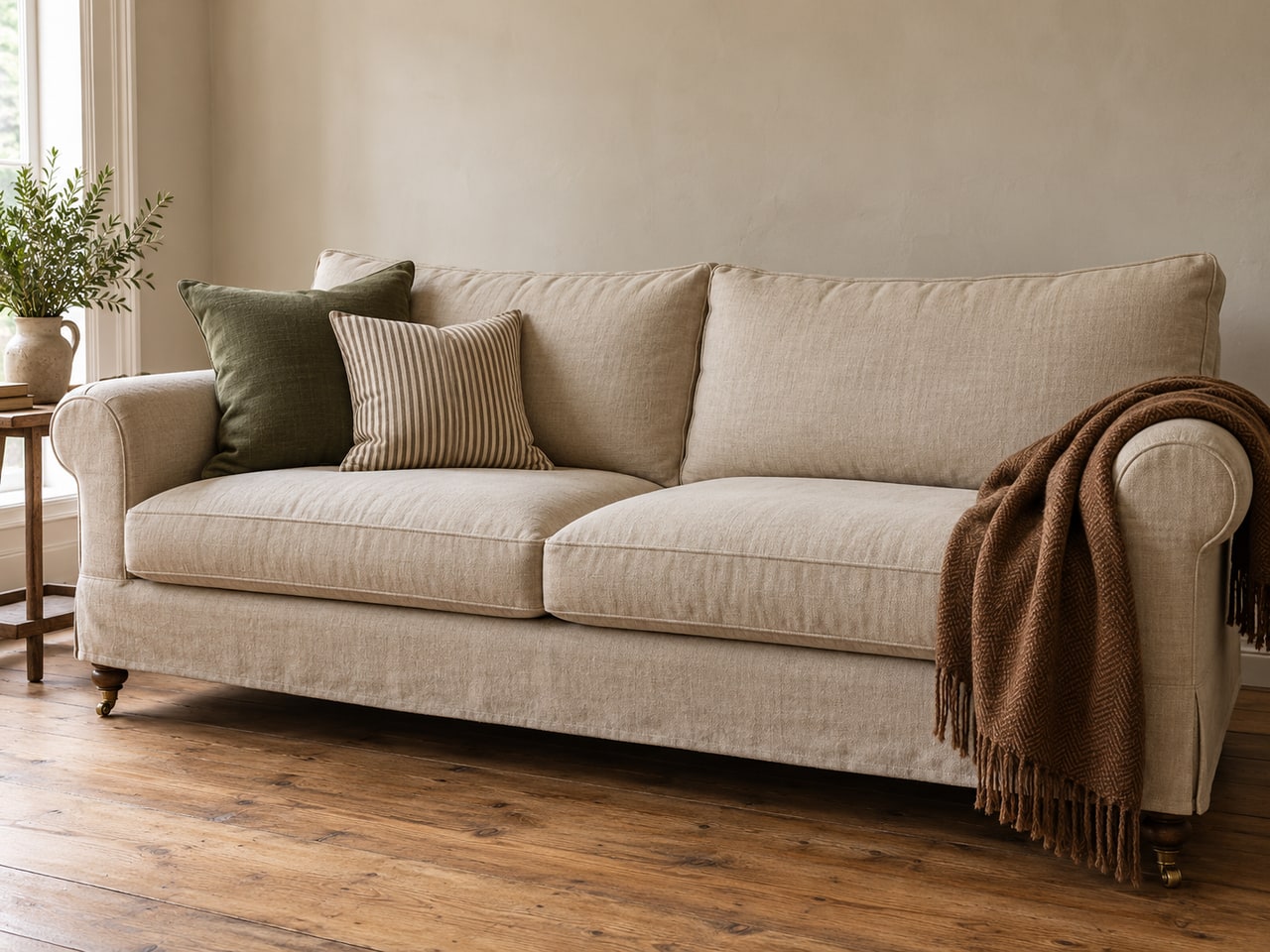
A softer frame
Country Curtains: Measure for the Way Your Room Works
Plan curtain width, finished length, fabric and everyday use with a simple measurement sheet before choosing panels.
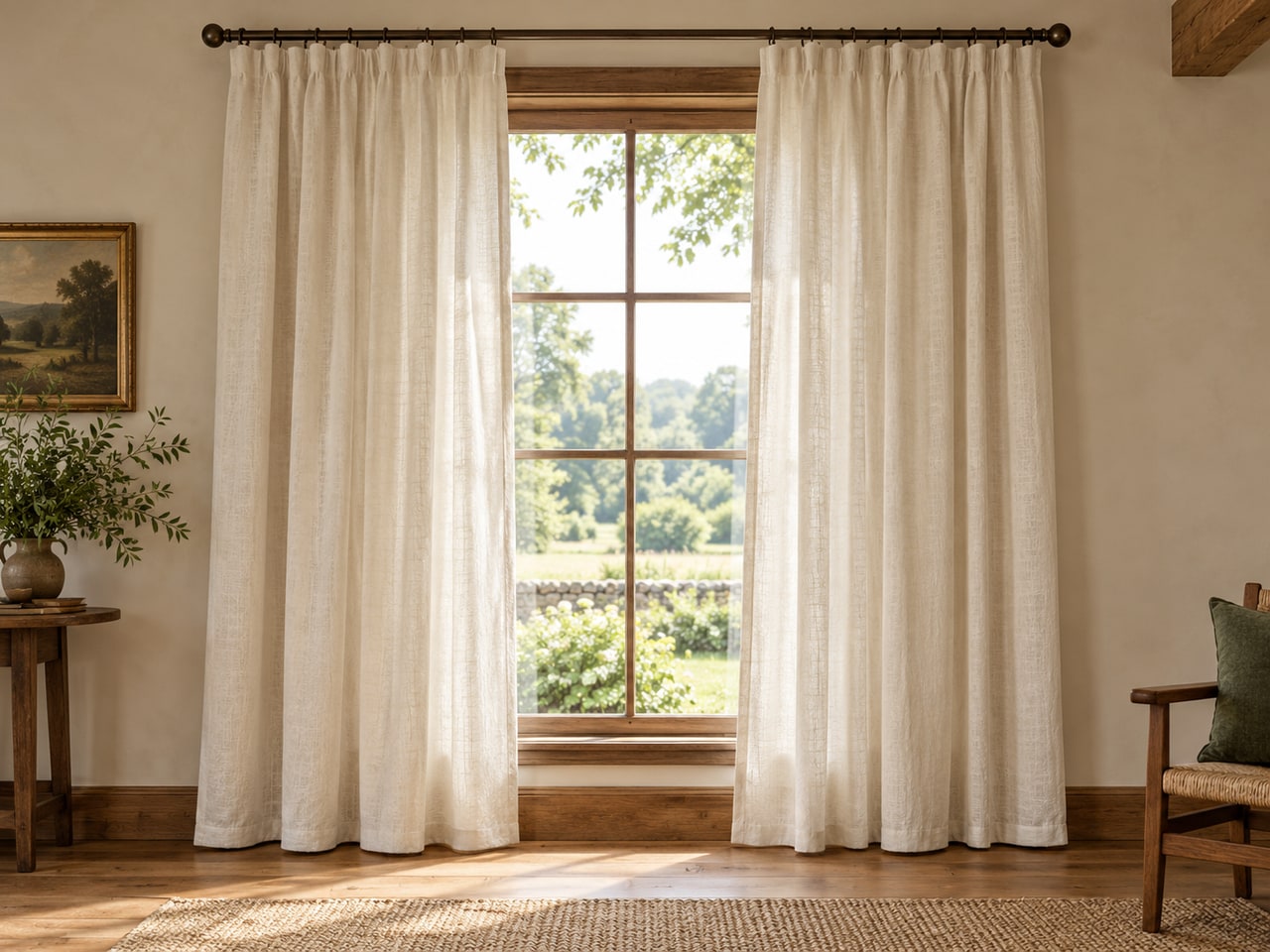
Curtains are easier to choose when the measurements follow the job. A kitchen window above a worktop needs a different treatment from a living-room window you open every morning. Decide what must remain accessible, record the intended hanging position, and compare actual panel dimensions. A soft country look can begin with a plain fabric that fits beautifully.
Decide what the curtains need to do
Write down whether this window needs privacy, light filtering, a darker room, or simply a softer outline. Then note when you open it and what sits beneath it. A decorative pair that stays at the sides does a different job from panels you expect to close fully every evening.
Look at handles, furniture, vents and nearby heat sources before choosing a length. A sill-length treatment may suit a window above furniture; a floor-length treatment may suit an unobstructed wall. Keep fabric clear of heat according to the relevant equipment instructions. Choose the usable arrangement before choosing the prettiest photograph.
Record the opening and the hanging position separately
On one sheet, record the window opening, the outside edges of the trim, the available wall space on either side, and the distance to the floor. Mark the intended rod or track position as a separate measurement. Existing hardware may determine that position; new hardware needs its own installation plan.
Measure more than one point if the floor or trim appears uneven. Note the smallest clearance wherever fabric could catch. A photograph with the measurements written beside it helps prevent confusing the window width with the usable rod width when you compare options later. Keep the units consistent throughout the sheet.
Work out total fabric width before counting panels
Panel width usually describes a flat piece of fabric, not the space it covers after gathering. Use the curtain maker’s fullness guidance for the chosen heading. A pencil-pleat panel, a grommet panel and a fixed decorative panel should not be assumed to need the same amount of fabric.
For a planning example, an 80-inch coverage width with a chosen fullness factor of two needs 160 inches of flat fabric. Two 50-inch panels provide 100 inches; four provide 200. Those numbers explain the comparison, not a universal fullness rule. Confirm the heading, pack quantity and actual finished panel width before ordering.
Check where the stated length begins
Ask whether the listed length starts at the top of the fabric, the hanging hook or another point. Rings, tabs and grommets change the relationship between the rod and the hem. Measure from the point specified for that curtain system, rather than automatically measuring from the top of the window frame.
Choose a hem position that suits cleaning and daily use. Fabric resting on the floor takes more tending than a hem that clears it. Before hemming, read the care instructions and any guidance about washing first. Do not cut panels until you have checked both the final hanging position and the maker’s allowance for fabric changes.
Judge the fabric beside the finishes you already have
Compare a swatch with your wall color, floor and sofa during the day and under your usual evening lamps. Cream against honey-colored wood can read differently from cream against a gray wall. If your rug or upholstery already carries a pattern, a quieter curtain can leave those pieces room to lead.
For country character, consider a restrained stripe, a woven texture or a plain warm neutral. Check the actual fiber content and care label rather than treating linen-look as a promise of linen. A separate lining or additional layer changes both the look and the load on the hardware, so include it in the plan.
Rehearse opening, closing and cleaning
Picture the panels drawn back. Is there enough side space for the gathered fabric, and can you still reach the window handle? Picture them closed as well: a gap at the center may matter for privacy even when the open arrangement looks balanced. Confirm what the selected system can actually achieve.
Keep a final note with coverage width, panel count, heading, finished length, care method and hardware requirements. Check wall fixings, permitted loads and bracket spacing against the hardware instructions. This planning guide does not replace those instructions. Finish with an arrangement you can operate comfortably, rather than one that needs resetting after every use.
A little pause before you finish
Before you call it finished
- The purpose and daily opening routine are clear.
- Window, trim, coverage and hanging measurements are labeled separately.
- Total panel width follows the chosen heading’s guidance.
- Hem position, care instructions and hardware load have been checked.
- Handles, furniture and heat clearances remain usable.
These are decorating ideas, with illustrative room concepts. This guide contains no paid retailer links. Read our editorial approach.
Back to all journal guides